




Diagnosis and treatment
Respiratory care
If you’re having trouble breathing while you’re asleep or awake, you might have a more serious breathing condition that affects your lungs. Learn more about the mechanics of breathing, as well as some of the conditions that might be making it difficult for you to breathe on your own.
ResMed NIV Solutions
Noninvasive ventilation (NIV) provides ventilatory support to patients who suffer from respiratory insufficiency. .
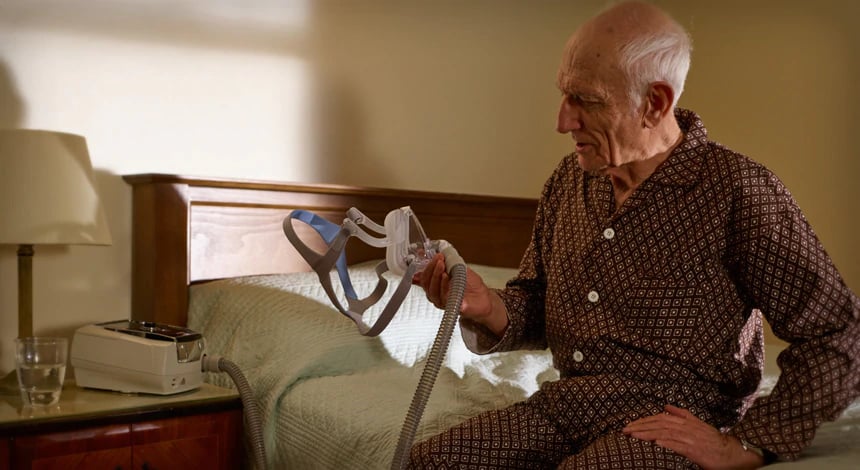
COPD
Learn more about Chronic Obstructive Pulmonary Disease (COPD): how to recognize the symptoms in your patients; ResMed’s treatment solution; and documented patient outcomes.
Neuromuscular disease
Learn more about Neuromuscular disease (NMD): what it actually is, the benefits of treatment, and ResMed’s treatment solution.
OHS
Learn more about Obesity Hypoventilation Syndrome: how to recognise the symptoms in your patients; ResMed's treatment solution; and documented patient outcomes.
Ventilation for paediatric patients
Learn more about ResMed's ventilation solutions for paediatric patients: the special considerations, the ideal treatment solution and documented patient outcomes.
Chest wall disorders
Learn more chest wall disorders: how to recognise them in your patients; ResMed's treatment solution; and documented patient outcomes.
Sleep apnea
ResMed gives you easy access to the tools you need, to screen your patients for sleep-disordered breathing (SDB), request a sleep study, and get them diagnosed. Learn more about the different types of sleep apnea; suggested links to other significant health conditions (like type 2 diabetes); and ResMed’s range of treatment options.
Common symptoms of sleep disorders
The first sign of a sleep disorder is snoring, even though many patients won’t identify that as a sign of something more serious. There are other common symptoms too.

Patient adherence and replenishment
Adherence to therapy can be the biggest challenge for patients with sleep apnea. Comfortable equipment, proper replacement, follow-up and education are critical to helping patients adapt to and stay on therapy.
Sleep apnoea treatment options
Learn more about CPAP therapy – the sleep apnoea treatment regarded as the gold standard – as well as alternative treatment options.
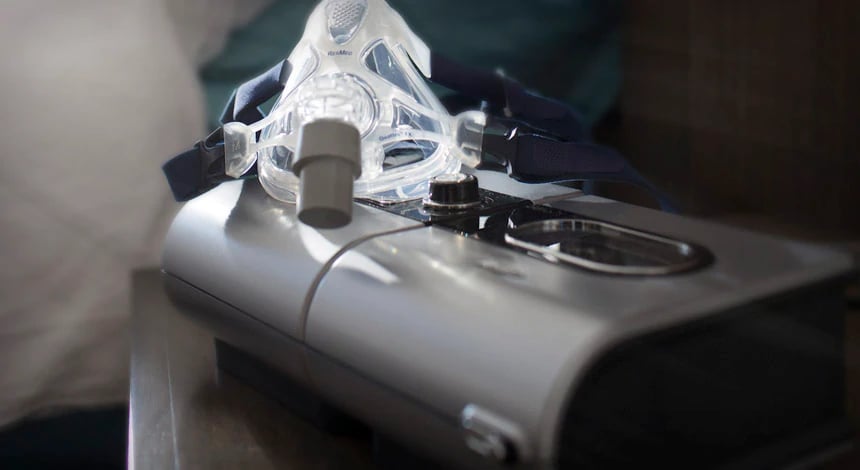
Types of sleep-disordered breathing
There are three main types of sleep-disordered breathing which are manifested in sleep apnea. Discovering the specific differences between them can help you recognise how best to treat your patients.
Comorbidities
Sleep apnea has been linked to a number of other significant health conditions. Find out how treating your patients’ sleep apnea can improve their overall health.
Screening and diagnosis
If you suspect a patient may have sleep disordered breathing (SDB), this three step screening process for SDB can get your patient on the path to getting diagnosed.
Patient's sleep apnea stories
It’s reassuring to know that if you’ve been diagnosed with a sleep or breathing condition, you’re certainly not alone. You’ll be encouraged to hear what these patients had to say about their treatment journeys—from diagnosis to treatment and beyond.
Barry's story
It was Barry’s wife Margaret who spurred him into action to seek treatment from his doctor for what turned out to be sleep apnea.
Brian's story
Brian initially underwent exceptionally painful throat surgery to combat his sleep apnea — but it was not successful. He is now on positive airway pressure therapy, and uses an S9 device. Brian is a very energetic and dynamic personality with plenty of get up and go. As a successful businessman, he travels overseas regularly for work and leads a full and active life.
Diana’s story
Diana didn’t fit the usual stereotype of a person with sleep apnea.

Kevin’s story
After a serious car accident with his wife Sue in the vehicle, Kevin couldn't ignore his snoring and daytime sleepiness any longer.
Matt’s story
Matt had felt tired for over a decade. His partner slept deeply and didn’t notice that he stopped breathing on average 34 times an hour.